Plans for Church in Wales same-sex marriage have been delayed, meaning LGBTQ+ couples hoping to marry in church will have to wait longer for a decision.
The Church in Wales had previously planned to bring proposals before its Governing Body in April 2027 that could have opened the way for same-sex marriages to take place in its churches.
That vote will now not happen on the original timetable.
Instead, bishops say more time is needed for theological reflection, with the April 2027 meeting now expected to focus on the doctrine of marriage and possible forms of future legislation.
But there is one important point that risks being lost in the headlines: same-sex blessings have not been cancelled.
They remain permanently authorised in the Church in Wales.
So what exactly has changed — and what hasn’t?
Church in Wales same-sex marriage: what was supposed to happen?
The current story began with a wider consultation about how the Church should approach same-sex relationships.
In November 2025, the Bench of Bishops said a listening process across the Church had found that most of those who participated supported the view that the time was right to offer equal marriage.
The bishops proposed a two-stage process.
First, the Church would decide whether to make its existing service of blessing for same-sex couples permanent.
Then, in April 2027, proposals would be brought forward that could allow the law of both the Church and the state to be changed so that same-sex marriages could take place in Church in Wales churches.
The first step happened.
The second has now been delayed.
Same-sex blessings are staying
In April 2026, the Church in Wales Governing Body voted to make blessings for same-sex couples permanent.
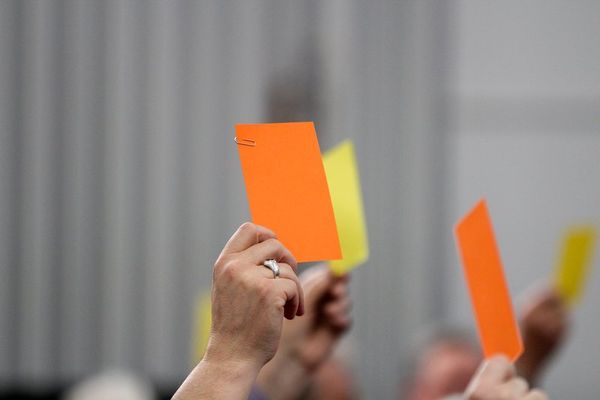
The measure passed with the required two-thirds majority in all three parts of the Governing Body: Bishops, Clergy and Laity.
All five bishops voted in favour. Among clergy, the result was 32–7, with five abstentions, while lay members voted 48–8, with two abstentions.
The authorised service allows couples who have already entered into a same-sex civil marriage or civil partnership to come to church for a blessing.
That provision is now part of the Church in Wales’ Book of Common Prayer.
So the latest decision does not remove those blessings.
That distinction is crucial.
A blessing is not the same as a church marriage
Same-sex marriage has been legal in England and Wales since 2014.
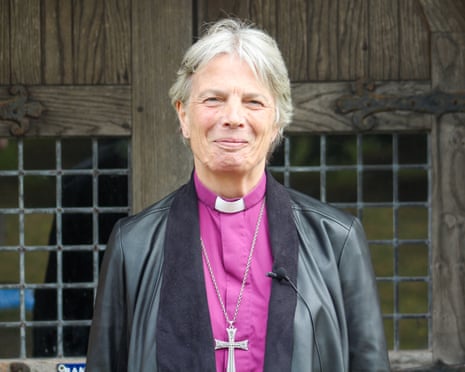
Archbishop of the Church of Wales
But the Church in Wales still cannot itself solemnise a same-sex marriage.
A couple can legally marry elsewhere and then receive a blessing in a Church in Wales church, but they cannot currently have that church conduct the marriage ceremony itself.
Put simply:
Civil same-sex marriage: yes.
Church in Wales blessing after a civil marriage or partnership: yes.
Same-sex marriage conducted by the Church in Wales: no.
That third point is the one the proposed 2027 legislation was intended to address.
And it is the part now being delayed.
Why has the Church in Wales delayed same-sex marriage plans?
The bishops say the pause follows a period of what they described as “positive but frank interaction” after the decision to make blessings permanent.
They believe more time is needed to consider how the Church should approach marriage doctrinally and how any future legislation could work.
Instead of voting on an equal-marriage Bill in April 2027, the Governing Body is now expected to discuss the theology and doctrine of marriage.
A doctrinal paper examining possible forms of future legislation is also expected to form part of that process.
That means the equal-marriage project has not been formally abandoned.
But there is no longer a fixed April 2027 vote.
There is still significant disagreement inside the Church
The debate over Church in Wales same-sex marriage remains deeply contested.
Supporters of equal marriage argue that same-sex couples should be able to make the same marriage commitment in church as opposite-sex couples.
Others within the Church believe marriage should continue to be understood according to traditional Christian teaching as a union between a man and a woman.
The bishops acknowledged that divide in their 2025 roadmap, saying Christians within the Church held very different convictions and that any future arrangements would need to respect conscience.
That disagreement helps explain why the bishops have chosen to slow the process rather than move directly to a vote.
What does this mean for LGBTQ+ couples now?
For couples already using the Church in Wales, the immediate position is actually quite clear. Same-sex blessings remain available. The permanent blessing provision adopted in April has not been reversed.
But couples hoping to have their marriage itself celebrated and solemnised within a Church in Wales church remain unable to do so.
And there is now no confirmed date for when that could change.
That is why describing the latest development simply as the Church “rejecting” same-sex marriage would be misleading. It hasn’t.
But the planned next step towards equal marriage has been postponed.
Why the delay still matters
For LGBTQ+ couples, the distinction between a blessing after a wedding and being able to have the wedding itself in church may sound technical from the outside.
For couples of faith, it can be anything but.
Marriage within a church can represent belonging, recognition and the ability to make the same religious commitment available to other couples within that community.
The Church in Wales has already moved considerably from where it stood only a few years ago: an experimental blessing rite introduced in 2021 is now a permanent part of church life.
Whether that journey ultimately leads to equal marriage is still unresolved. The important difference today is that LGBTQ+ couples now know the decision will take longer than previously expected.
Blessings are staying. Marriage remains off the table for now. And the next major conversation will be about whether the Church is prepared to close that gap.
To provide the best experiences, we use technologies like cookies to store and/or access device information. Consenting to these technologies will allow us to process data such as browsing behavior or unique IDs on this site. Not consenting or withdrawing consent, may adversely affect certain features and functions.
Functional
Always active
The technical storage or access is strictly necessary for the legitimate purpose of enabling the use of a specific service explicitly requested by the subscriber or user, or for the sole purpose of carrying out the transmission of a communication over an electronic communications network.
Preferences
The technical storage or access is necessary for the legitimate purpose of storing preferences that are not requested by the subscriber or user.
Statistics
The technical storage or access that is used exclusively for statistical purposes.The technical storage or access that is used exclusively for anonymous statistical purposes. Without a subpoena, voluntary compliance on the part of your Internet Service Provider, or additional records from a third party, information stored or retrieved for this purpose alone cannot usually be used to identify you.
Marketing
The technical storage or access is required to create user profiles to send advertising, or to track the user on a website or across several websites for similar marketing purposes.
 Skip to content