 Skip to content


The Eurovision 2027 season is gathering momentum, with a disqualification in Ukraine, new selection rules in Malta, presenting announcements in Greece and fresh song details from Albania.
Eurovision may still be months away, but national final season is already giving us plenty to talk about.
Over the past 24 hours, four participating countries have revealed important developments on their respective journeys to Burgas, Bulgaria.
From controversy to creative announcements, here is everything Eurovision fans need to know.
Ukraine: SPOKUSY disqualified from Vidbir 2027
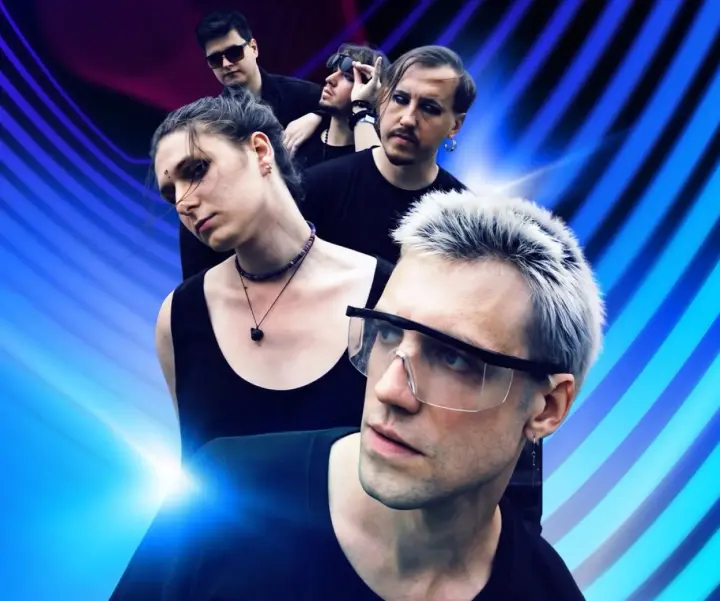
Ukrainian public broadcaster Suspilne has confirmed that the band SPOKUSY will no longer participate in Vidbir, Ukraine’s national selection for Eurovision 2027.
The decision was taken during an extraordinary meeting of the organising committee on 26 November, following concerns about the past conduct and statements of one of the band’s founding members.
In its official announcement, Suspilne confirmed that the group had breached clause 4.6 of the competition’s regulations, which addresses ethical conduct and inappropriate statements.
The decision follows publicly reported allegations of grooming concerning a member of the band. These remain allegations and should not be confused with a criminal conviction.
The disqualification leaves 17 acts on Ukraine’s national selection longlist.
Malta: €25,000 and a January national final

Malta has officially revealed the rules and timetable for its 2027 Eurovision selection.
According to the Malta Eurovision Song Contest announcement, song submissions will open on 9 December and close on 23 December 2026.
Eighteen songs will compete in the semi-final on 29 January 2027, with twelve progressing to the Grand Final on Saturday 30 January.
The winning act will receive €25,000 towards its Eurovision participation, alongside production support covering staging, styling, creative direction and an official music video.
There is also an interesting detail in the new regulations: wholly AI-generated songs, lyrics and performances will not be eligible, while live vocals will be required without onstage Auto-Tune.
A little reassurance for those of us who still appreciate actual singing at a song contest.
Greece: familiar faces and a new creative direction
Greece is preparing three nights of national selection entertainment in Thessaloniki.
Broadcaster ERT has announced that Nikos Moutsinas, Betty Maggira and Katerina Vrana will host Sing for Greece 2027.
The semi-finals will take place on 9 and 11 February, followed by the national final on 13 February 2027.
Director and choreographer Konstantinos Rigos will oversee the artistic direction of the national selection and the staging of Greece’s eventual Eurovision entry.
Moutsinas and Maggira will also provide Greek television commentary from Burgas in May.
Read the official announcement from ERT.
Albania: Festivali i Këngës 65 takes shape

Albanian broadcaster RTSH has completed the gradual unveiling of the song titles and songwriting credits for the 65th edition of Festivali i Këngës.
The festival remains one of the longest-established music competitions associated with Eurovision, bringing together contemporary Albanian music and the country’s rich musical traditions.
With the competing entries taking shape, attention now turns to the performances and the search for Albania’s next Eurovision representative.
You can follow developments through the official Festivali i Këngës website and explore the latest song and songwriter announcements.
The countdown to Eurovision 2027
With the Eurovision Grand Final scheduled for 15 May 2027 in Burgas, national selection season is becoming increasingly busy.
The spreadsheets are coming out, the group chats are warming up, and somewhere an Eurovision fan is already developing an emotional attachment to a song they haven’t heard yet.
For the latest participation updates, check our Eurovision 2027 countries guide and follow our dedicated Eurovision coverage.
And if you’re wondering why so many of us take a three-minute song competition quite so personally, here’s why Eurovision still feels like home to queer people.
Which national selection are you most excited about?
Let the Eurovision obsession commence.


