 Skip to content


Portugal’s transgender rights could face a dramatic reversal as two parliamentary bills seek to repeal the country’s groundbreaking gender self-determination legislation. European LGBTQ+ organisations are urging lawmakers to reject the proposals.
Portugal has long been regarded as one of Europe’s more progressive countries on LGBTQ+ rights.
But legislation that once represented a major advance for transgender and intersex people is now facing a serious political challenge.
On 19 November 2026, four European human-rights organisations issued a joint statement opposing two bills that would repeal Portugal’s Law 38/2018, known as the Self-Determination Act.
The proposals were introduced by the right-wing Chega party and the centre-right Social Democratic Party (PSD).
And the implications could extend far beyond administrative paperwork.
What Does Portugal’s 2018 Trans Rights Law Protect?
The 2018 legislation established a system of legal gender recognition based on self-determination, removing the requirement for adults to obtain a medical diagnosis before changing their legal gender marker.
It also introduced important protections for transgender young people and intersex children.
For transgender people, legal recognition affects everyday situations including employment, education, healthcare, travel and identification documents.
Having official documents that match someone’s identity is not a luxury. It can help prevent involuntary disclosure, discrimination and bureaucratic barriers.
According to the organisations challenging the repeal proposals, 1,595 people changed their legal gender marker between 2018 and 2022.
They argue that the system has operated without evidence of widespread fraud or misuse.
What Would the New Bills Change?
The proposed legislation, Bills 391/XVII/1 and 486/XVII/1, would reverse key elements of the existing framework.
In their joint analysis, ILGA-Europe, TGEU, IGLYO and OII Europe warn that the measures could reintroduce medical assessments and extensive clinical requirements for legal gender recognition.
The organisations also raise concerns about the proposed removal of legal gender recognition for 16- and 17-year-olds, restrictions affecting transgender healthcare and education, and weakened protections for intersex children.
Some provisions differ between the two bills, but both would substantially change the protections established in 2018.
That distinction matters. These are parliamentary proposals, not changes that have already entered into force.
Could Portugal Be Moving Backwards?
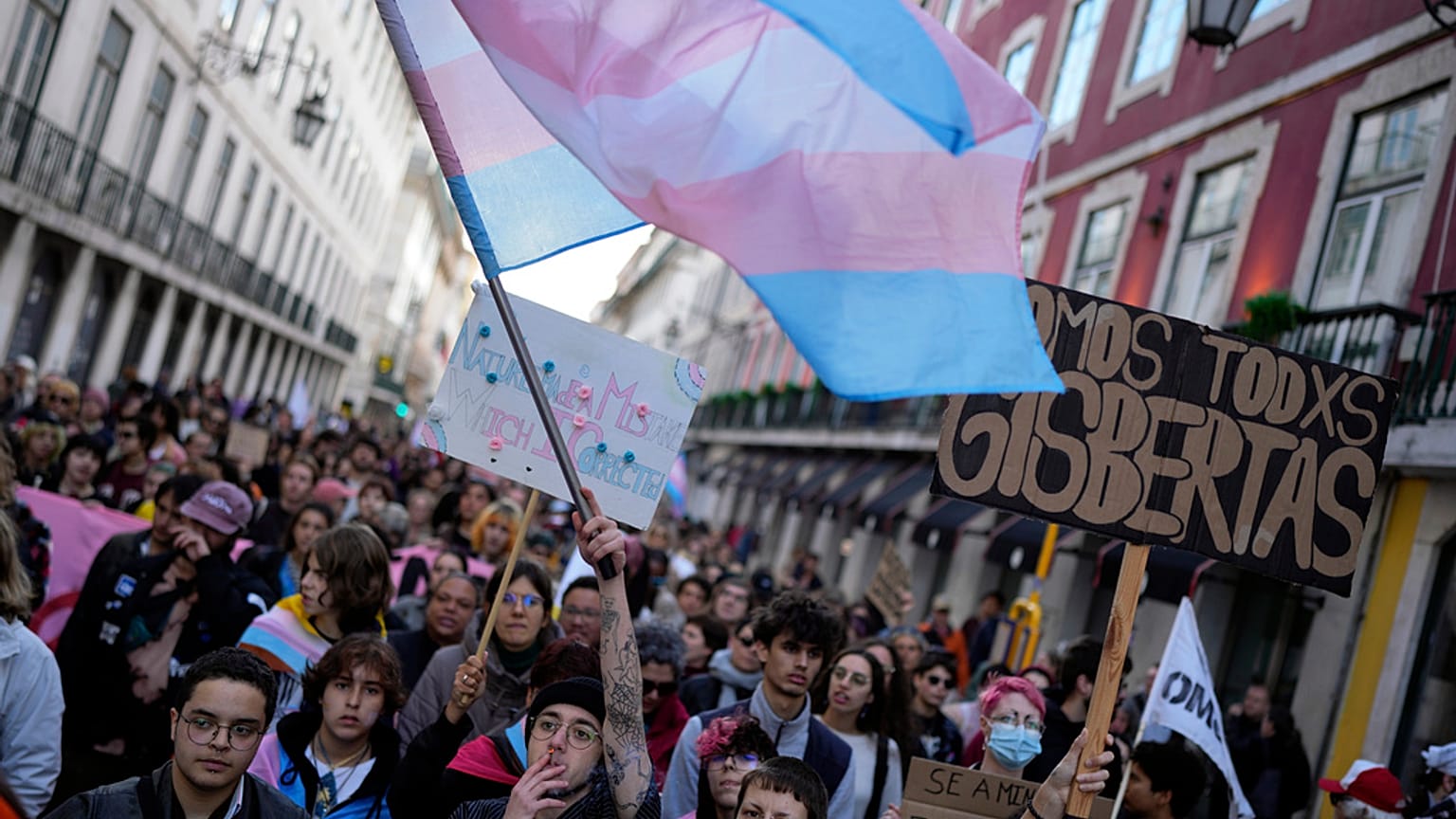
The debate reflects a wider European tension over transgender rights.
While some countries have moved towards recognition based on personal autonomy, others are introducing or considering restrictions affecting legal identity, healthcare and education.
As The Gayly Mirror previously explained in its coverage of Bulgaria’s legal gender recognition ruling, the ability to have one’s gender legally recognised can become the subject of prolonged political and judicial battles.
The Portuguese proposals raise another difficult question: what happens when protections that people have relied upon for years become vulnerable to political reversal?
The four organisations argue that removing established rights requires a compelling justification grounded in evidence and compatible with international human-rights standards.
They are calling on Parliament to withdraw or reject both bills.
Equality Should Not Have an Expiry Date
Supporters of the proposed changes may argue that legal recognition and healthcare require stronger safeguards or different procedures.
But any reform affecting fundamental rights must confront the practical consequences for the people concerned.
For transgender individuals, being required to undergo intrusive assessments or lengthy medical processes can create significant barriers to legal recognition.
For intersex children, weakening safeguards against unnecessary interventions raises further questions about bodily autonomy and consent.
Portugal’s Parliament has not yet completed the legislative process. The outcome remains uncertain.
For LGBTQ+ communities across Europe, however, this is more than a domestic political debate.
Rights that took decades to secure should not be dismantled without compelling evidence, careful scrutiny and serious consideration of the people whose lives will be affected.


