 Skip to content


The Trump administration has asked the US Supreme Court to allow new restrictions on gender-affirming healthcare for transgender people in federal prisons to take effect while a legal challenge continues.
The Justice Department filed an emergency request on 28 September, asking the Supreme Court to lift a lower-court injunction preventing the Federal Bureau of Prisons from implementing the policy. The Court has not yet ruled on the request, and the filing itself does not decide whether the policy is ultimately lawful.
What would the transgender prison policy do?
The Bureau of Prisons policy, issued in February 2026, restricts medical and surgical gender-affirming treatment as well as certain “social accommodations” intended to align a prisoner’s appearance with their gender identity. Psychiatric services would remain available.
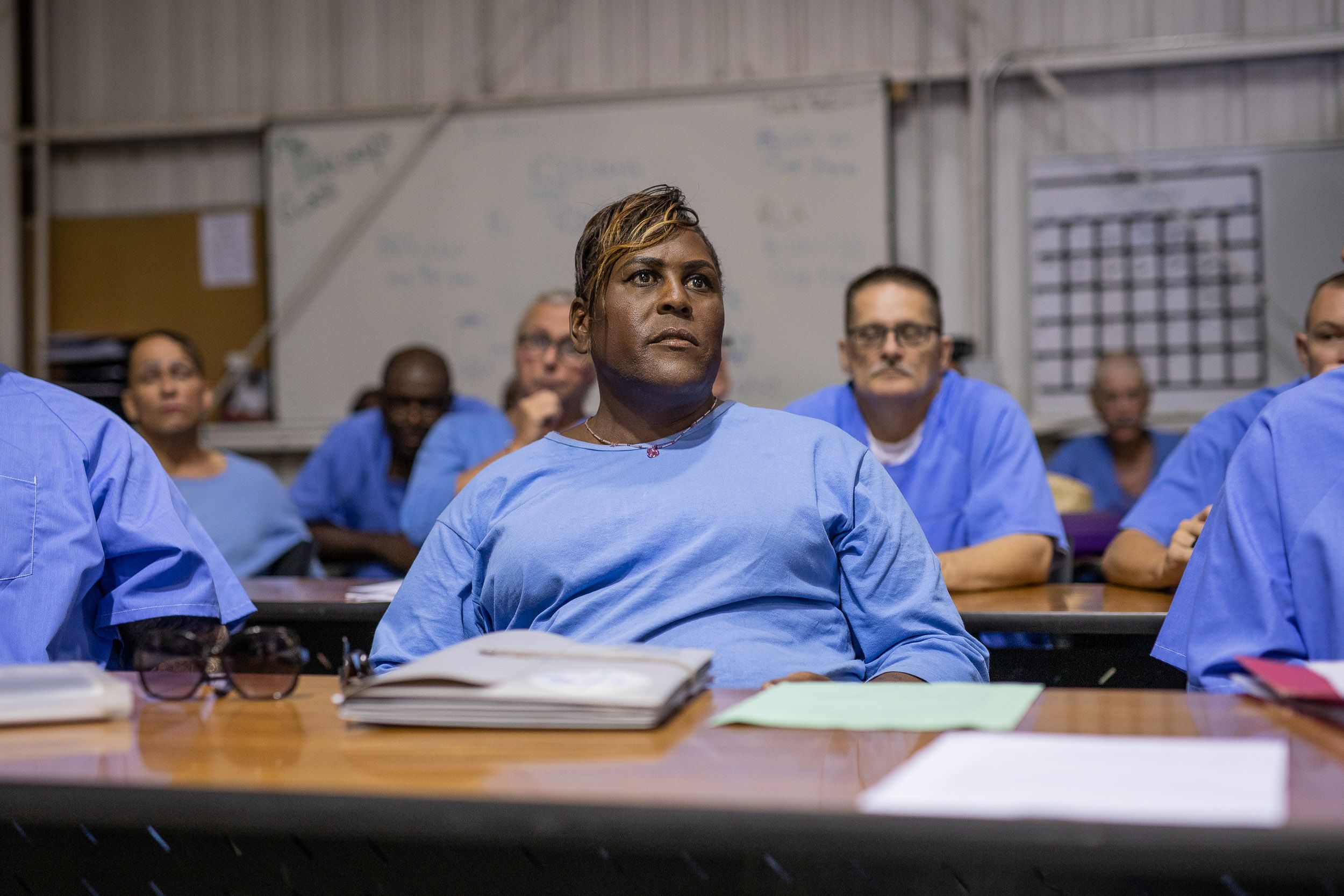
The restrictions are connected to an executive order signed by President Donald Trump in January 2025 directing federal agencies to recognise sex according to the administration’s definition and barring federal prison funds from being used for specified gender-transition-related treatment.
The healthcare provisions have since become the subject of a class-action lawsuit, Kingdom v. Trump, originally brought by three transgender people incarcerated in federal prisons and diagnosed with gender dysphoria. They are represented by the ACLU and Transgender Law Center.
Why did lower courts block the policy?
US District Judge Royce Lamberth issued an injunction preventing the Bureau of Prisons from implementing the healthcare restrictions while the case proceeds.

Lamberth concluded that the plaintiffs were likely to succeed on at least some of their legal claims and found problems with the way the Bureau had adopted its policy. Reuters reports that the judge considered the policy likely to violate federal administrative law and described the agency’s approach as “arbitrary and capricious”. The D.C. Circuit subsequently left the injunction in place.
Lawyers challenging the restrictions also argue that withdrawing medically necessary treatment from incarcerated transgender people could violate constitutional protections against cruel and unusual punishment. The administration disputes those claims and argues that the Bureau of Prisons has legitimate medical, security and administrative reasons for changing its policy.
What is the Supreme Court being asked to decide?
This is where the legal language can make a fairly simple story sound far more complicated than it is.
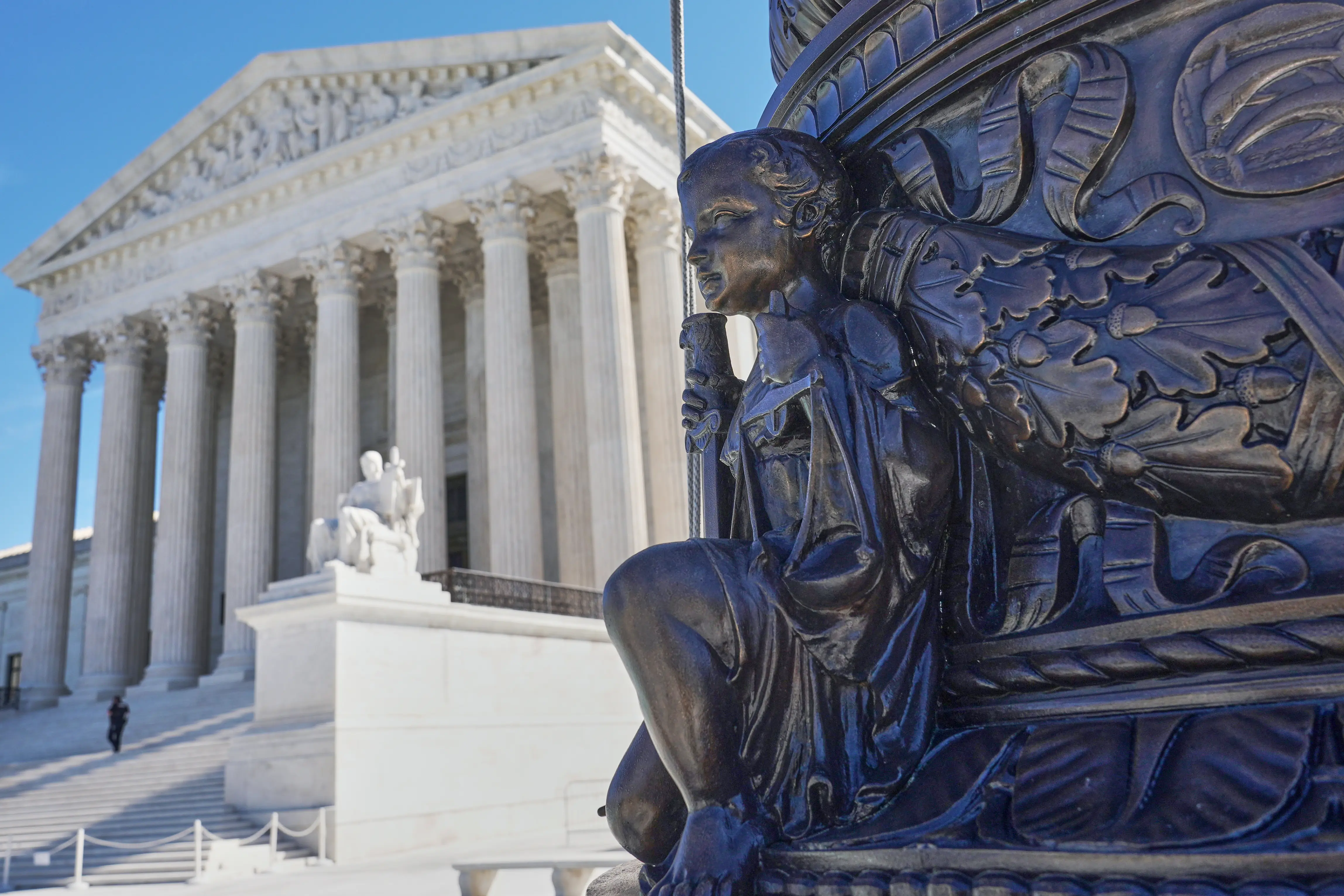
For now, the Supreme Court is not being asked to issue a final ruling on whether transgender prisoners have a constitutional right to gender-affirming healthcare.
The administration is asking the justices for emergency relief that would allow its policy to operate while the underlying lawsuit continues through the courts.
If the Court grants the request, the Bureau of Prisons could begin enforcing the restrictions pending further litigation. If it rejects the request, the lower-court injunction would remain in place while the case proceeds.
Either way, the underlying lawsuit does not disappear.
For transgender people in federal custody, however, the interim decision could have immediate consequences: the question before the Supreme Court is not simply theoretical, but whether currently blocked healthcare restrictions can be implemented before judges have reached a final decision on their legality.


