 Skip to content


The Trump administration has asked the US Supreme Court to intervene in its fight over transgender people serving in the military – potentially allowing the Pentagon to begin discharging protected trans service members before their case even reaches trial.
The battle over the Trump transgender military ban is heading back towards America’s highest court.
On 28 August, the Trump administration formally asked the US Supreme Court to review Talbott v. USA, one of the major legal challenges to President Donald Trump’s restrictions on transgender military service.
And the administration does not want to wait until the case goes to trial.
It is asking the justices to remove an injunction currently protecting transgender service members involved in the lawsuit, potentially allowing the Pentagon to begin discharging them while the wider constitutional battle continues.
A two-week federal trial is already scheduled for January 2027.
Trump’s administration wants the Supreme Court involved before then.
What is the Trump transgender military ban?
Soon after returning to the White House, Trump signed an executive order in January 2025 directing the military to introduce restrictions preventing transgender people from serving under the administration’s new policy.
The policy subsequently became the subject of several legal challenges from transgender troops and people seeking to enlist.
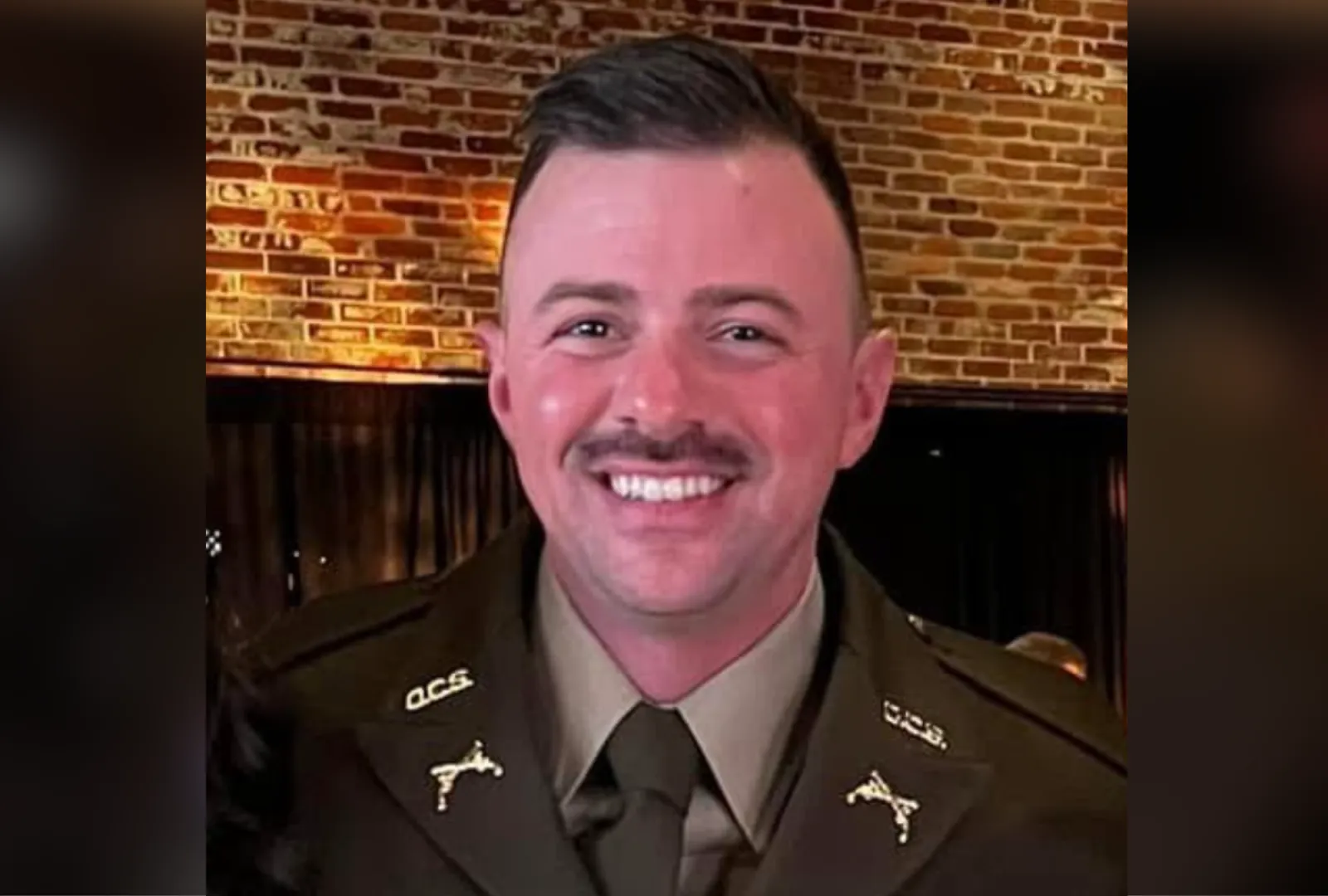
Talbott v. USA is one of those cases.
The plaintiffs include active-duty personnel, reservists, National Guard members and an individual seeking to join the military.
Army Reserve Second Lieutenant Nicolas Talbott is the lead plaintiff.
They argue that excluding them from military service because they are transgender is unconstitutional discrimination.
Why is Trump going to the Supreme Court?
The administration has already faced setbacks in the lower courts.
A federal judge initially blocked the policy from being applied to the Talbott plaintiffs, and in June a three-judge panel of the US Court of Appeals for the District of Columbia Circuit upheld protections for them.
The appeals court majority concluded that the policy appeared to target a particular group based on transgender identity.
Now the administration wants the Supreme Court to overturn those protections.
Solicitor General D. John Sauer argued in the government’s petition that deciding who is eligible to serve in America’s armed forces is a matter of exceptional importance and that the judiciary should give substantial weight to military decision-making.
In other words: the government wants the justices to step in now rather than wait for January’s trial to determine whether the policy itself is constitutional.
What could happen to transgender troops?
This part needs a little nuance.
The injunction at the centre of the Supreme Court request protects the transgender plaintiffs involved in the Talbott case from being discharged while litigation continues.
The administration is asking for that protection to be removed.
If the Supreme Court agrees, those service members could potentially face discharge even before the federal district court holds its full trial on the constitutional challenge.
That is exactly why LGBTQ+ legal organisations representing the plaintiffs say the request is so significant.
GLAD Law and the National Center for LGBTQ Rights argue that there is no justification for forcing trained service members out while the legality of the policy is still being litigated.
Has the Supreme Court already approved Trump’s trans military ban?
No.
And this is an important distinction.
The Supreme Court has not ruled on this latest request.
The Trump administration has petitioned the Court to take action.
The justices must now decide how to respond.
So if you’re seeing headlines suggesting America’s highest court has just approved a new ban, huns, we’re not there yet.
The legal fight is still very much alive.
Why Talbott v. USA matters
The immediate case concerns a relatively small group of named plaintiffs.
But the legal question is much bigger.
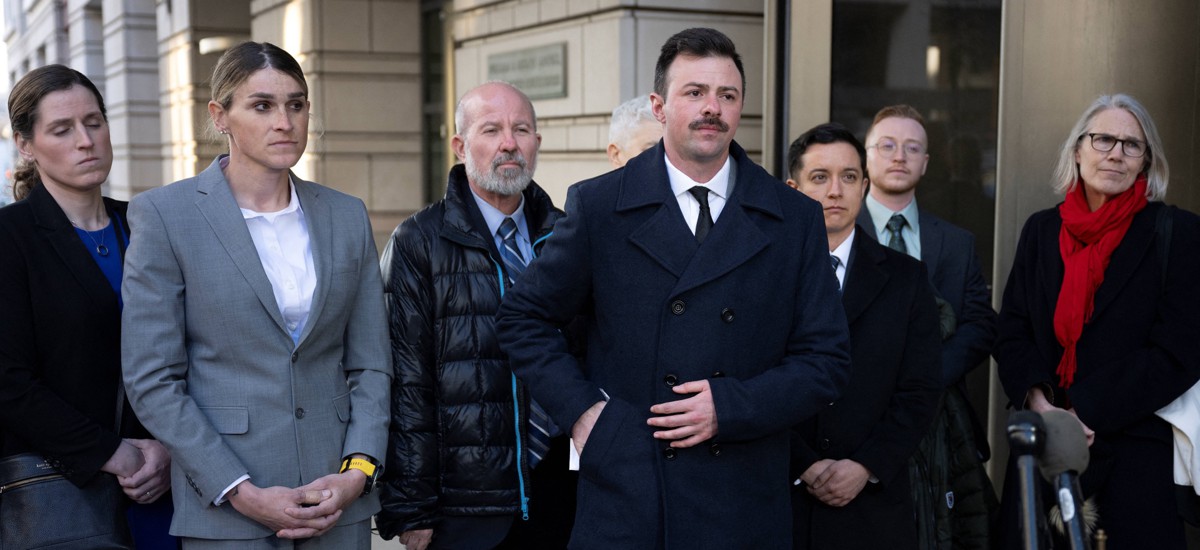
At its heart is whether the federal government can exclude people from military service under a policy explicitly affecting transgender identity, and how much judicial scrutiny courts should apply when the government invokes military readiness and discipline.
The administration argues that military authorities must have broad discretion to determine service requirements.
The plaintiffs argue that military deference cannot be used as a free pass for unconstitutional discrimination.
That makes Talbott v. USA potentially one of the most consequential transgender-rights cases currently moving through the American courts.
The wider battle over transgender rights in Trump’s America
The military fight is also taking place within a much broader shift in US federal policy.
Since returning to office in January 2025, Trump has pursued a series of measures affecting legal recognition and federal protections for transgender Americans.
Military service has become one of the most visible fronts in that strategy.
And the latest Supreme Court petition shows that the administration is prepared to push the issue all the way to the country’s highest court.
For transgender service members, however, this isn’t simply another culture-war debate playing out in Washington.
It is about careers, livelihoods and whether people who are already trained and serving their country will be permitted to remain in uniform.
What happens next?
The Supreme Court will now consider the administration’s petition.
The Court could agree to hear the wider case, reject the request or take other action concerning the injunction while proceedings continue below. The full Talbott trial is currently scheduled to begin in January 2027.
Until the justices act, the protections at issue remain part of an ongoing legal battle.
So, no babes, this is not the final ruling.
If anything, it could be the beginning of a much bigger one.
Because the next major chapter in America’s fight over transgender military service may now be written inside the US Supreme Court.


