 Skip to content


LGBTQ rights in Indonesia are facing mounting pressure as violence, political hostility and organised intimidation leave more queer people afraid to live openly.
A new AFP investigation published on 2 September describes LGBTQ+ Indonesians changing how they dress, behave and use social media because they fear being identified.
Some have not even told their own families.
Why are LGBTQ rights in Indonesia under pressure?
Indonesia does not have a nationwide law explicitly criminalising consensual same-sex relationships between adults.
But that does not mean LGBTQ+ people are free from persecution or discrimination.
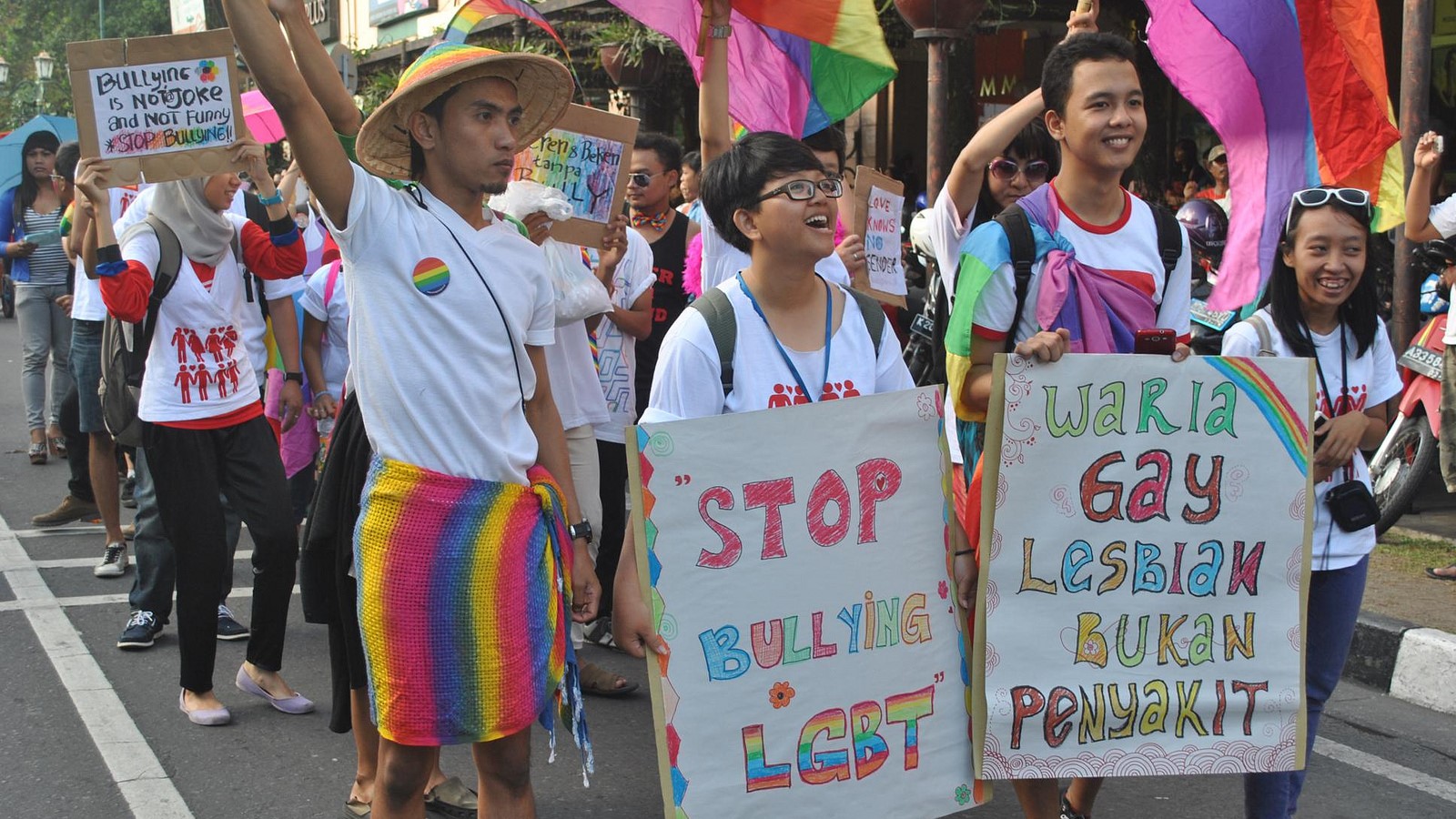
Social hostility remains widespread and rights groups have become increasingly concerned about recent attacks, public rhetoric and government action.
AFP documented a series of highly visible attacks targeting gay and transgender Indonesians, particularly transgender women.
The result is a community already accustomed to living cautiously being pushed even further underground.
Trans women have been attacked
Recent cases include attacks against transgender women around Bogor, near Jakarta.
Victims have reportedly faced physical violence and public humiliation.
Online videos have also shown groups describing themselves as so-called “Boti hunters” targeting people they perceive to be gay or transgender.
“Boti” is commonly used in Indonesia as a derogatory term towards gay men.
LGBTQ+ organisation Arus Pelangi recorded 94 cases of violence involving 141 victims during 2024 and 2025, while warning that the real number may be significantly higher because many victims never report what happened.
Political rhetoric is increasing concern
The pressure is not limited to street violence.

The Indonesian government has issued measures classifying the spread of LGBTQ+ culture as a type of national threat, while some public and religious figures have called for stronger restrictions.
Lawmakers have also faced proposals to further criminalise what conservative religious leaders describe as sexual “deviancy”.
Government officials maintain that LGBTQ+ individuals should not face violence or persecution and have attempted to distinguish between LGBTQ+ people themselves and what authorities describe as the promotion of an LGBTQ+ “lifestyle”.
For those affected, however, that distinction can feel increasingly difficult to recognise.
What does this mean for LGBTQ+ Indonesians?
The debate around LGBTQ rights in Indonesia is no longer simply about laws written on paper.
It affects whether people feel safe enough to hold a partner’s hand, seek healthcare, dress as themselves or post openly online.
And when visibility itself starts to carry a perceived risk, many people make the same decision: disappear from view.
That may be one of the clearest indications yet of how rapidly the climate for LGBTQ+ Indonesians is deteriorating.


