 Skip to content


Senegal’s LGBTQ+ crackdown has intensified just weeks before the country hosts the 2026 Youth Olympic Games, with Human Rights Watch documenting mass arrests, forced HIV testing and growing fear among queer communities.
In a report published on 12 October, the organisation warned that LGBTQ+ people are being pushed into hiding, denied effective access to legal representation and discouraged from seeking essential healthcare. The findings raise uncomfortable questions about Senegal’s human rights commitments as Dakar prepares to welcome young athletes from around the world.
Senegal’s LGBTQ+ Crackdown: Hundreds Reportedly Arrested
According to Human Rights Watch, at least 212 people were arrested between February and July 2026, based on figures collected by Senegalese human rights organisation RADDHO. The HIV Justice Network reported an even higher figure, exceeding 300 arrests during the same period, although Human Rights Watch could not independently verify the overall total.
The crackdown follows a controversial amendment to Senegal’s penal code approved by Parliament on 11 March 2026. The legislation increased the maximum prison sentence for consensual same-sex sexual activity from five to ten years and introduced penalties of up to seven years for certain activities considered to promote or support homosexuality.
For LGBTQ+ Senegalese people, these changes have created an atmosphere of fear extending far beyond the courtroom. Human rights defenders report that people are avoiding public spaces, limiting their social interactions and leaving their communities to escape possible arrest or harassment.
Forced HIV Testing Raises Serious Human Rights Concerns
One of the most disturbing findings concerns allegations of forced HIV testing and breaches of medical confidentiality involving people detained on suspicion of same-sex sexual activity.
Human Rights Watch reports that some detainees have faced testing without informed consent, while sensitive personal information has allegedly been disclosed to the media. The organisation also documented concerns about the use of HIV-related accusations in criminal investigations, although charges of deliberate HIV transmission in a major group of cases were dismissed in August.
The consequences extend into public health. One doctor interviewed by Human Rights Watch reported that approximately one-third of patients previously receiving HIV treatment were no longer attending their appointments.
When people become frightened of accessing healthcare, the damage reaches beyond any one community. It undermines public health, trust in medical professionals and the fundamental right to privacy.
Dakar 2026: Can the Youth Olympics Ignore LGBTQ+ Rights?
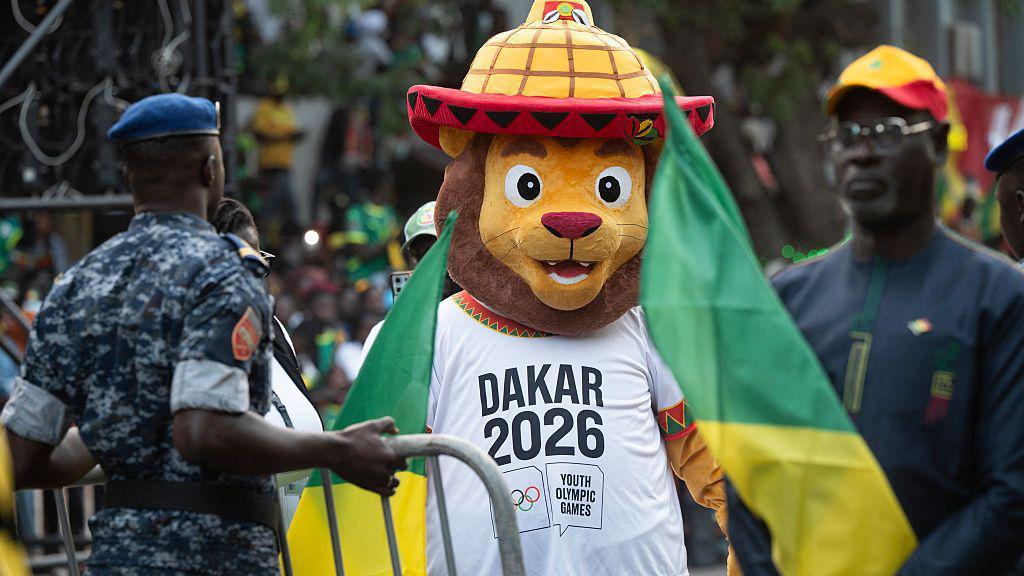
From 31 October to 13 November, Senegal will host the Dakar 2026 Youth Olympic Games, the first Olympic event ever held on the African continent.
The event is expected to celebrate diversity, international cooperation and the potential of young people. Yet the Olympic Charter also rejects discrimination and recognises the importance of human dignity, making the timing of the crackdown particularly troubling.
Human Rights Watch has urged Senegalese authorities to end arbitrary arrests, protect people from discrimination and investigate allegations of mistreatment. It has also called for legal changes to bring Senegal’s legislation into line with its international obligations.
The question is not whether Senegal deserves to host an international sporting event. It is whether the Olympic movement can celebrate inclusion while overlooking serious concerns about the rights of people living in the host country.
Human Rights Cannot Be Left Outside the Stadium
The Youth Olympics will bring global attention to Senegal, offering an opportunity to showcase its culture, hospitality and sporting ambitions. But that spotlight also comes with responsibility.
For LGBTQ+ people living in fear, the promise of international solidarity can feel painfully distant when everyday activities, from meeting friends to seeking medical treatment, carry potential risks.
Sport has the power to bring people together, but its values must mean something beyond opening ceremonies and carefully polished speeches.
There can be no meaningful celebration of inclusion when some people are still afraid to exist openly in their own country.


