 Skip to content


The organisations fighting some of the biggest battles for transgender rights in America are facing an uncomfortable contradiction: the work is increasing while the money available to do it is disappearing.
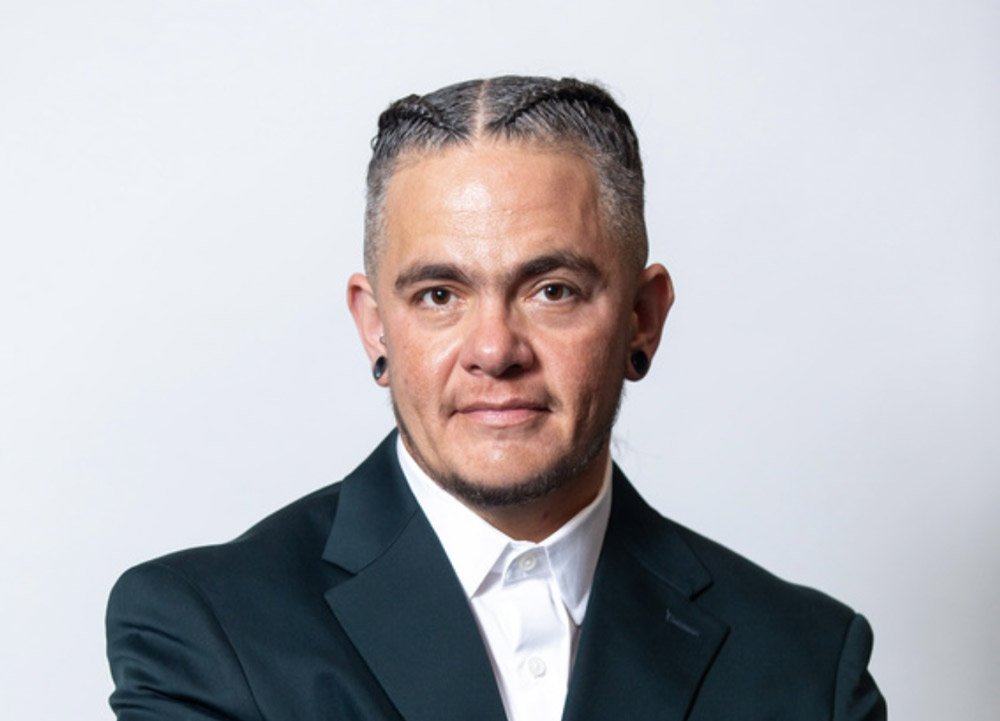
Shelby Chestnut, Executive Director of the Transgender Law Center, has warned of what they describe as a “near complete exodus” of philanthropic support from the trans movement at a moment when trans-led organisations are confronting legal challenges, policy changes and growing demand for community support.
The numbers make the disparity difficult to ignore. According to figures cited by Chestnut in Nonprofit Quarterly, only three cents out of every $100 distributed by US foundations in 2024 went towards transgender and gender-nonconforming communities — itself a decline from 3.5 cents in 2023.
In other words, this was hardly a generously funded movement before the current retreat began.
More attacks, fewer resources
Trans-led organisations do considerably more than lobby politicians. They provide legal assistance, housing and emergency support, community organising, information, advocacy and resources for people navigating increasingly complicated systems.
That infrastructure matters most when political conditions become hostile.
Yet Chestnut argues that some foundations and organisations are withdrawing or reducing their involvement precisely when the community requires sustained investment. LGBTQ Nation subsequently highlighted the warning on 3 September as the broader debate over trans rights funding gained attention.
This raises a difficult question for the wider LGBTQ+ movement.
What does allyship mean when supporting trans people becomes politically inconvenient?
Pride branding is easy when rainbow colours improve a company’s image. Funding court cases, grassroots organisers, shelters and long-term advocacy when those issues become controversial is a much more meaningful test.
Trans rights cannot become somebody else’s problem
There is also a wider danger in treating transgender rights as an isolated niche within LGBTQ+ equality.
History repeatedly demonstrates that rights movements are vulnerable when communities are divided into those considered politically “safe” and those deemed expendable. Lesbian, gay and bisexual people who assume attacks on trans rights will remain neatly confined to trans communities may eventually discover that opponents of LGBTQ+ equality rarely respect those boundaries.
Transgender Law Center describes itself as the largest national trans-led organisation advocating for the self-determination of trans people, and it continues to fund and support organising despite that difficult landscape.
But organisations cannot fight indefinitely on goodwill alone.
Legal representation costs money. Organisers need salaries. Emergency assistance requires funds. Political campaigns require resources.
Visibility without infrastructure is not enough.
If institutions genuinely believe that trans rights are human rights, this may be the moment when that belief needs to appear not only in statements — but in budgets.


