 Skip to content


MPs and peers are examining the Government’s proposed legislation against abusive conversion practices, with LGBTQ+ organisations urging survivors to make their voices heard.
The United Kingdom’s long-running debate over banning conversion practices has entered another important parliamentary stage. On 26 October, a joint committee of MPs and members of the House of Lords launched a public call for evidence on the Government’s draft Conversion Practices Bill, inviting individuals, organisations and experts to help shape legislation intended to prevent and criminalise abusive practices targeting people’s sexual orientation or gender identity.
For LGBTQ+ campaigners, the development represents another step in a legislative process that has been marked by years of political promises, delays and disagreement. However, the publication of the call for evidence does not mean that a ban has already become law. The proposed legislation remains under parliamentary scrutiny, with questions concerning definitions, scope and the protection of other rights still to be examined.
What Is the Government Proposing?
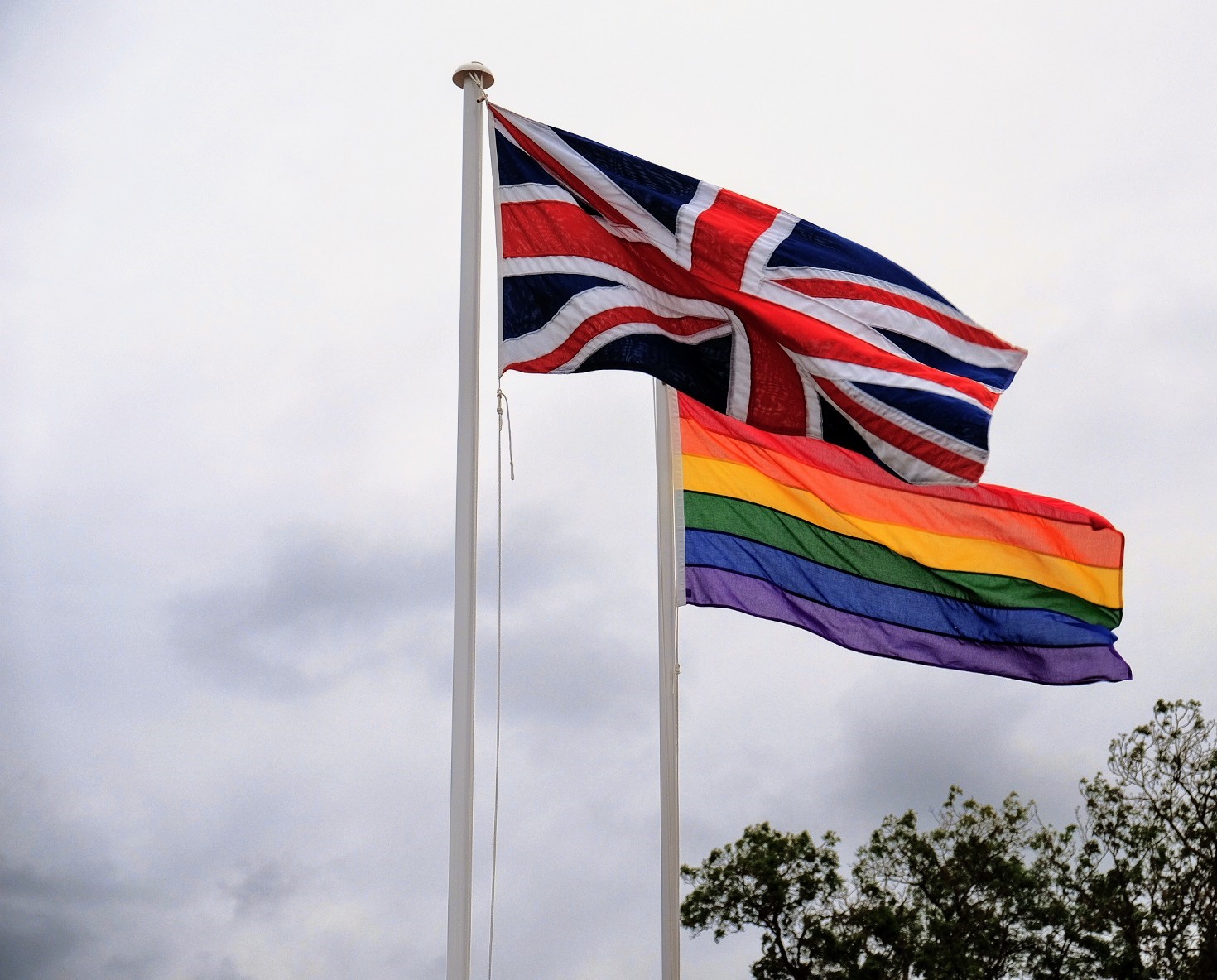
The Government published its draft Conversion Practices Bill in June 2026, setting out proposals to address abusive attempts to change or suppress a person’s sexual orientation or gender identity. Conversion practices can take different forms, including coercive psychological interventions, pressure within families or communities, and practices carried out in religious or therapeutic settings.
The proposed legislation is now being examined by a cross-party joint committee, which will assess whether its provisions are sufficiently clear and whether the proposed legal framework can effectively prevent abuse while respecting other fundamental rights.
In its official announcement, the committee explained that it is seeking evidence on potential improvements to the Bill and unresolved issues within its drafting.
Committee chair Alex Barros-Curtis MP emphasised the importance of establishing clear definitions and ensuring that the legislation strikes an appropriate balance between preventing abuse and protecting other rights. These considerations are expected to play a central role in the committee’s recommendations.
Why Survivors’ Experiences Matter

One of the most significant aspects of the consultation is the opportunity for people with direct experience of conversion practices to contribute to the legislative process. LGBTQ+ rights organisation Stonewall has encouraged survivors, advocacy organisations, healthcare professionals and people working in religious settings to submit evidence.
Submissions can describe the circumstances in which conversion practices occurred, their immediate and long-term consequences, and whether the proposed legislation would provide adequate protection. Individuals may also submit evidence anonymously, an important consideration for those who may be concerned about disclosing traumatic experiences or sensitive personal information.
The consultation is open to both individuals and organisations, although submissions must address the committee’s terms of reference. Written evidence must be received by Monday 16 November 2026 at 5pm.
For survivors, the process offers an opportunity to explain how coercion can operate in practice and why legislation must be capable of recognising abuse even when it occurs in settings traditionally associated with care, family support or religious guidance.
The Challenge of Defining Conversion Practices
One of the central challenges facing lawmakers is determining how conversion practices should be defined in criminal law. Campaigners supporting a comprehensive ban argue that legislation must protect LGBTQ+ people from coercive attempts to alter or suppress their identity without creating loopholes that leave certain groups vulnerable.
At the same time, parliamentary scrutiny must consider how the legislation interacts with legitimate therapeutic conversations, religious freedoms, parental relationships and freedom of expression. The question is not simply whether abusive conversion practices should be prevented, but how the law can distinguish prohibited conduct from other interactions without creating uncertainty or unintended consequences.
These issues are particularly sensitive in discussions concerning transgender people, where questions about clinical practice, identity exploration and the boundaries of coercion have become politically contested. The committee’s work will therefore be important in determining whether the final legislation can offer meaningful protection while providing sufficient legal clarity.
What Happens Next?

The joint committee will consider written evidence alongside oral testimony before reporting its findings on the draft Bill. Its recommendations may influence the Government’s decisions about the final legislative text before any subsequent parliamentary stages.
The committee’s published schedule includes oral evidence sessions, allowing witnesses with different perspectives to present their arguments and respond to questions from parliamentarians. The process is intended to examine the proposals rather than simply endorse or reject them.
For LGBTQ+ organisations, the coming weeks provide an important opportunity to influence the direction of the legislation. For the Government, they represent a test of whether a long-promised ban can be translated into a workable and effective legal framework.
A Promise Still Waiting to Become Law
The publication of the call for evidence marks progress, but the ultimate measure of success will be the legislation that emerges from the parliamentary process. Survivors and LGBTQ+ campaigners will be looking for a law capable of preventing abuse, providing clear protections and addressing the experiences of those most directly affected.
After years of debate, the United Kingdom is again confronting the question of how to protect people from coercive attempts to change who they are. The next stage will determine whether the Government can move from consultation and political commitments towards enforceable protections.
UK Conversion Therapy Ban: Frequently Asked Questions
Is conversion therapy banned in the UK in 2026?
There is currently no comprehensive UK-wide ban on conversion practices. The Government’s draft Conversion Practices Bill is undergoing parliamentary scrutiny, and the proposed legislation has not yet become law.
Does the proposed UK conversion therapy ban include transgender people?
The draft legislation addresses abusive conversion practices relating to sexual orientation and gender identity. However, its precise scope, definitions and safeguards remain under parliamentary examination.
When will the UK conversion therapy ban become law?
No confirmed implementation date has been announced. The parliamentary committee is currently gathering evidence before making recommendations on the draft legislation.
Can the public contribute to the consultation?
Yes. Individuals and organisations can submit written evidence to the parliamentary committee by 5pm on 16 November 2026, following its published submission requirements.


