 Skip to content


The return of America’s specialised LGBTQ+ crisis support service has been welcomed by campaigners, but concerns over its independence, inclusivity and future funding are far from resolved.
A specialised suicide prevention service for LGBTQ+ young people in the United States has returned after more than a year of uncertainty, marking a significant victory for mental health advocates who fought against its closure. Yet while the restoration of the 988 Suicide & Crisis Lifeline’s dedicated LGBTQ+ support option has been welcomed across the community, serious questions remain about how the service will operate under an administration whose policies have repeatedly targeted transgender rights.
The service, commonly known as the Press 3 option, was reinstated on 30 September 2026, following its termination by the Trump administration in July 2025. Its return followed sustained pressure from LGBTQ+ organisations, mental health professionals and members of Congress, who argued that specialised support was essential for young people facing disproportionately high levels of psychological distress and suicidal thoughts. However, reporting published by The Guardian on 27 October has highlighted continuing concerns about transparency, counsellor training and the influence of the administration’s wider policies on the restored service.
What Happened to the LGBTQ+ Crisis Line?
The 988 Suicide & Crisis Lifeline was established as a nationwide service offering immediate support to people experiencing mental health crises or suicidal thoughts. Its dedicated LGBTQ+ youth option was introduced in 2022, providing access to counsellors trained to understand the particular challenges that young queer and transgender people may encounter.
Between 2023 and 2025, the specialised service handled more than 1.5 million calls, text messages and online chats, demonstrating substantial demand for support tailored to LGBTQ+ experiences. However, in July 2025, the Trump administration discontinued the dedicated service, citing financial considerations. LGBTQ+ organisations strongly criticised the decision, arguing that removing specialised support could make it harder for vulnerable young people to seek help.
The wider 988 service remained operational throughout the closure, but the removal of the LGBTQ+ option meant that callers could no longer access the same dedicated national pathway to specialist support.
Following congressional intervention, more than $33 million in funding was allocated to LGBTQ+ youth crisis services. The dedicated option eventually resumed operations on 30 September 2026, restoring an important route to assistance for young people seeking confidential support.
A Victory for LGBTQ+ Advocates, But Not Without Concerns
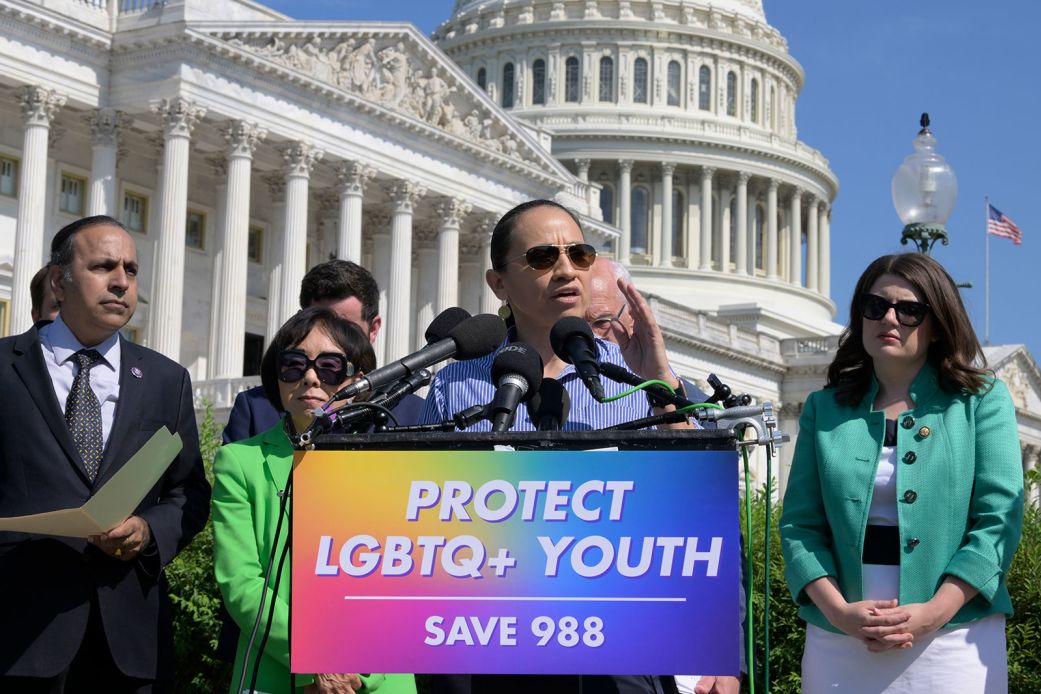
The restoration was welcomed by The Trevor Project, one of America’s leading LGBTQ+ youth suicide prevention organisations. The charity had previously played a central role in developing the specialised service and providing trained counsellors to young people in crisis.
However, The Trevor Project is not participating in the restored national programme. Following the closure of the original service, the organisation was classified as an inactive member of the 988 network and subsequently deemed ineligible to participate in the relaunched service.
This exclusion has raised concerns about continuity, particularly given the organisation’s extensive experience providing LGBTQ+-affirming crisis intervention.
The Trevor Project has nevertheless welcomed the restoration while emphasising the importance of maintaining appropriate clinical standards, culturally competent support and services that recognise the identities and experiences of LGBTQ+ young people.
Can the Service Remain Inclusive Under Trump’s Policies?

One of the most controversial questions surrounding the restored hotline concerns the relationship between its stated purpose and the Trump administration’s broader approach to transgender rights.
The US Department of Health and Human Services has indicated that it remains aligned with the administration’s executive orders concerning gender identity. LGBTQ+ advocates have questioned how those policies might affect the guidance, training and practices used by counsellors working with transgender callers.
According to The Guardian, the department has not provided detailed public explanations of how these policies will influence the operation of the specialised service. The newspaper also reported that a counsellor responding through the restored chat service used affirming language when discussing gender identity, suggesting that supportive interactions remain possible within the programme.
However, an individual interaction cannot establish whether all counsellors receive consistent training or whether the service will maintain the same standards across its national network.
An analysis by health policy organisation KFF also highlighted concerns about the visibility of the restored service. Following its relaunch, dedicated promotional materials and clear information about the LGBTQ+ option were not as readily available as they had been previously.
For young people experiencing a crisis, knowing that specialised support exists, understanding how to access it and feeling confident that their identity will be respected are all important parts of making a service genuinely accessible.
Why Specialised Mental Health Support Matters

LGBTQ+ young people can face additional pressures associated with discrimination, bullying, family rejection and social isolation. Research consistently identifies elevated levels of mental health distress among LGBTQ+ adolescents compared with their heterosexual and cisgender peers, although these differences should not be interpreted as evidence that LGBTQ+ identities themselves cause mental health problems.
Instead, researchers and advocacy organisations frequently point to the impact of stigma, hostile environments and unequal access to support.
Specialised crisis services are designed to respond to these circumstances by providing counsellors who understand the language, experiences and potential vulnerabilities of LGBTQ+ callers. This can be particularly important for transgender young people who may fear judgement or misunderstanding when discussing their identity.
The restoration of the 988 option therefore represents more than the return of a telephone service. It also raises a wider question about whether public institutions can provide consistent and trusted support to marginalised communities during periods of political conflict.
Restoring a Service Is Only the Beginning
The return of specialised LGBTQ+ crisis support is an important development, but its long-term success will depend on more than funding and the reopening of a telephone line. Transparency about training, continued financial support, accessibility and the protection of affirming care will all influence whether young people feel able to use the service.
For LGBTQ+ advocates, the next challenge is ensuring that the restored programme delivers the support it promises, regardless of the political environment surrounding it.
A crisis service must ultimately be judged by whether the people who need it can access safe, effective and compassionate assistance. The restoration of the 988 LGBTQ+ option is a welcome step, but rebuilding trust and protecting that support for the future remain essential.


